
Shuck & Learn – October 15
CLICK HERE TO REGISTER
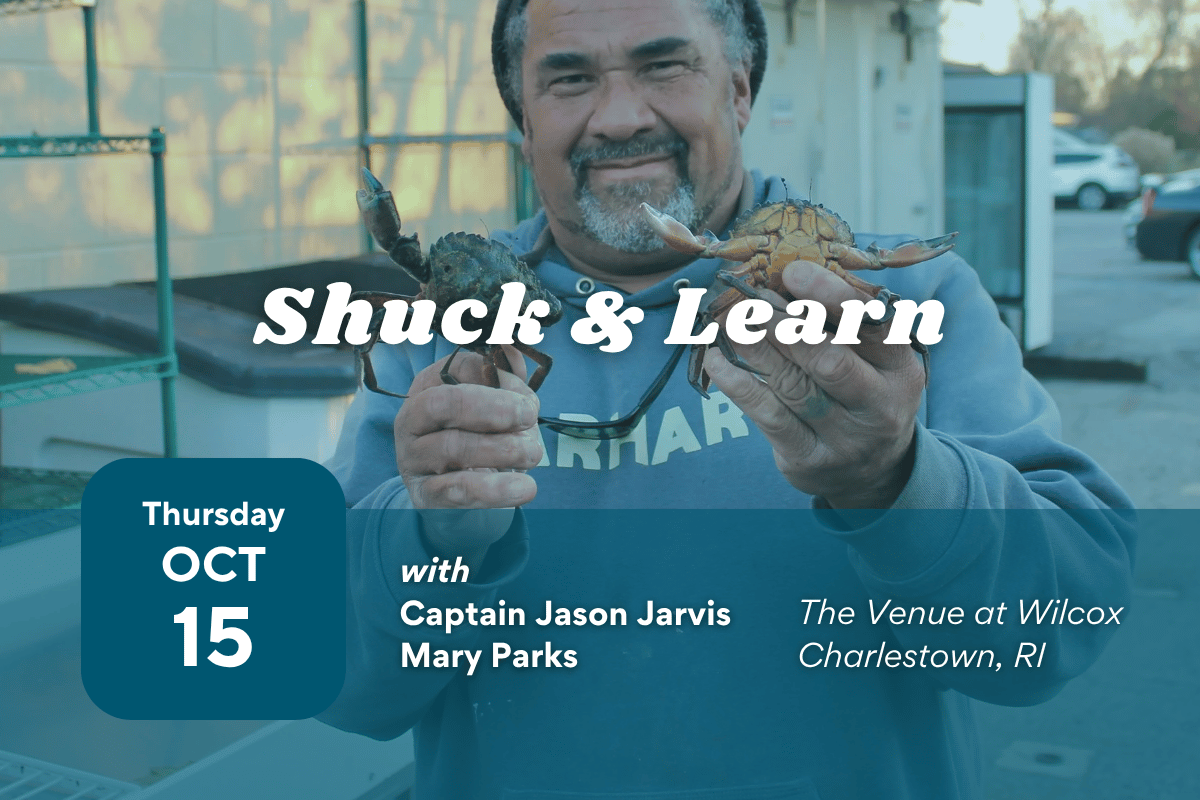
Workshop led by Captain Jason Jarvis and Mary Parks at The Venue at Wilcox in Charlestown, RI
Join green crabber Captain Jason Jarvis and Mary Parks of GreenCrab.org for a conversation on green crab’s ecological impact, culinary efforts, and an interactive shucking demonstration and tasting. This workshop will also highlight in-classroom activities developed through GreenCrab.org’s Crab Class program and pathways for classrooms to engage in community science data-collection efforts.
European green crab is an invasive species that impacts valuable fisheries and vulnerable ecosystems in the Ocean State. After being introduced by European traders over 200 years ago via ballast water, their populations skyrocketed in the late 20th century due to climate change. Today, green crabs are one of the most common crab species in the Northwest Atlantic with growing populations in Japan, Australia, New Zealand, South Africa, and the West Coast of the US and Canada.
Fortunately, green crab is also a delicious and versatile seafood with a rich culinary history in its native and invasive range. In Venice, green crabs are sold as soft-shells and for their bright orange roe (eggs). In Tunisia, France, and Portugal, green crabs are a staple ingredient in stocks for soups, couscous, and sauces. In Massachusetts and Rhode Island, invasive green crabs have been used as a substitute for rice paddy crab dishes such as Khmer kdam prai and Vietnamese bún riêu since the early 2000s.
Formal and nonformal educators as well as advocates and community members are invited to attend. Refreshments will be provided and a stipend will be offered. $5 deposit requested to reserve spot. Maximum of 30 people can register.
CLICK HERE TO REGISTER
*2026 RIEEA Workshop Series, based on the theme of this year’s Summit: Education Through Cultivation: Rooting Teaching, Farming, & Healing in Relationship to the Land, will be co-facilitated by Rhode Island community members. They will share how they connect audiences of all ages with the living systems that sustain us.
photo credit: GreenCrab.org
ABOUT THE FACILITATORS
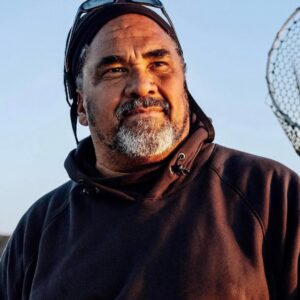
Jason Jarvis hails from Westerly, RI. He holds a 100 ton captains license. Jason has over 20 years of experience working on a commercial trawler, gill netter, oyster farming, and as a crew member in the for-hire sector. He has also fished recreational for his entire life. Jason has been harvesting green crabs for 15+ years. In addition to supporting GreenCrab.org’s Harvester Outreach Initiatives, Jason has collaborated with GreenCrab.org on youth outreach and Crab Class. He currently owns and operates his own small commercial fishing vessel, based in Westerly. He is the Board president of the North American Marine Alliance and is a former member of the Rhode Island Marine Fisheries Council, representing the commercial fishing sector. Jason has great respect for the ocean resources of Rhode Island and the U.S. and prides himself in his ability to facilitate dialogue among the various and often competing interests in the fishing industry. He is the owner of South County Fishmonger, a seafood-harvesting, charter fishing business, as well as a Seafood HACCP manager and partner of Quonnie Fish Co.
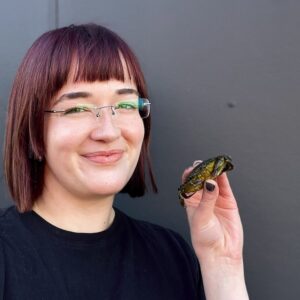
Mary Parks is a queer seafood lover, recreational crabber, and former fish monger who sees invasive green crabs as an abundant and delicious resource. Mary grew up in Penobscot Bay and first learned about green crab’s invasive impact from the surrounding lobstering and clamming community. After working in Boston’s seafood industry and learning about bait markets for green crabs, she started asking what needed to be done to build a resilient culinary market for the invasive. She soon connected with a diverse community of chefs, harvesters, and researchers asking the same question. In 2020, she went on to found GreenCrab.org, a nonprofit dedicated to building culinary markets for European green crab and spreading awareness of its invasive impact.